22
2010
Do you drink Zymil?

This survey is now closed.
Thanks for your responses.
Zymil has made such a difference to me in the two weeks I’ve been using it! Finally, I can say goodbye to gut pains and the rest.
The only drawback has been the 1 Litre carton – it doesn’t last long! Please make the 2 Litre bottle available in New South Wales too!
John – October 7, 2009
The vibrant online world of blogs, where bloggers use a simple publishing tool to connect with people of like-minded interests by publishing their thoughts or diaries is an exciting space where so many topics are discussed.
People write about what they think, feel and know, whether that be personal confessions, pop culture celebrity gossip and anything in between. There are so many Australian blogs out there that are written by women so we thought easy2digest should take a look at a few of our favourite blogs that stood out for one reason or another.
Blog: Grab Your Fork
Type of blog: Food Blog
Who writes it: Helen Yee, a Sydney-sider who loves to eat.
Why you should read it: Her belief that food tastes better when it’s shared with friends is one of the primary factors that prompted her to start this food blog.
http://grabyourfork.blogspot.com
Blog: Mamamia
Type of blog: Women’s Blog
Who writes it: Mia Freedman journalist, author, mother and the former Editor of Cosmopolitan magazine.
Why you should read it: Not surprising considering her background but Mamamia is like a quick daily magazine with commentary about celebrities, life, love, motherhood and pop culture.
http://mamamia.com.au
Blog: Not Quite Nigella
Type of blog: Food Blog
Who writes it: Lorraine Elliott, a cake and food enthusiast who believes that cakes belongs in an art gallery.
Why you should read it: She blogs about her travels far and wide for an unusual meal and cooking and eating food from different countries all around the world. Be sure to look out for some of the amazing photos of the food she cooks and eats.
http://www.notquitenigella.com
Blog: SASSYBELLA.com
Type of blog: Fashion Blog
Who writes it: Helen Lee
Why you should read it: This blog chronicles fashion news and gossip with a sprinkling of lighthearted beauty tidbits and flashbacks to fashion’s illustrious past.
http://www.sassybella.com
Blog: Whip Up
Type of blog: Craft Blog
Who writes it: Multiple authors contribute to this blog
Why you should read it: This is a blog written by people who have a passion for making things and have a desire to share their ideas with others.
http://whipup.net
Do you blog?
If you’re an Australian woman with your own blog, please be sure to tell us about it in the comments and share your link. Or if you’re thinking about starting your own, Australian research released last year found that blogging can help you feel less isolated, more connected to a community and more satisfied with your friendships, so it’s a great hobby to have!
We all know that the early years of childhood help establish the foundation for a healthy life.
We also realise that dairy foods have long been recognised for their nutritional value during a child’s developing years, as they are one of the core food groups and best known for being a rich source of calcium and the role it plays in building strong bones1.
But exactly how much dairy does your child need during their different stages of growing up?
We’ve sourced information from Dairy Australia2 that shows the approximate number of serves of dairy your child needs each day to meet the Recommended Dietary Intake (RDI) for calcium throughout their childhood.
| Age | RDI of calcium |
|---|---|
| 1-3 years | 500 mg |
| 4-8 years | 700 mg |
| 9-11years | 1000 mg |
| 12-13 years | 1300 mg |
| 14-18 years | 1300 mg |
Each 250mL serve of Pauls Zymil contains around 308mg of calcium, so just one glass and your child will be on the way to meeting their RDI for the day.
1 Dairy Australia:
http://www.dairyaustralia.com.au/Health-and-Lifestyle/Lifestyles-and-Lifestages/Children.aspx
2 Dairy Australia:
http://www.dairyaustralia.com.au/Health-and-Lifestyle/Dairy-Nutrition/3-Serves-a-Day.aspx#How%20many%20dairy%20serves
If you find yourself feeling frazzled, overwhelmed, your body won’t relax or you’re having trouble sleeping, then life’s stresses may be getting the best of you.
Stress is the body’s normal physical response to events that make you feel threatened or have upset your balance in some way and is also a sign that it’s time to take action to bring your life back into sync.
There are many reasons why reducing stress is critical to enjoying life. Though most troubling is that long-term exposure to stress may lead to serious health problems1.
While there are many lifestyle choices you can make to reduce stress, there are some simple choices you can make through your diet to help feel less stressed.
When we are feeling most vulnerable some people tend to engage in all sorts of unhealthy eating habits — which can lead to more stress!
A simple step which can be taken to have you feeling a little better is to remove these detrimental foods from your diet.
Fast Food
Stressed and busy people may be particularly prone to seeking out the more time efficient option of just driving through a fast food outlet, rather than cooking at home. Over the longer term, this is bad as fast foods are often high in fat, sugar and salt, which may contribute to the above effects.
Caffeine
When you’re pushing your limits by burning the candle at both ends, people often find themselves using coffee and other caffeine drinks to get through the long hours. However, having too high an intake of caffeine can lead to some health issues2.
Sugar
By consuming food or drinks with high levels of sugar and too little protein, as well as too little carbohydrates, we can experience blood sugar fluctuations. These fluctuations can lead to mood swings, fatigue, poor concentration which further contributes to your stress levels3.
Hopefully by following these tips on foods to avoid in your daily diet, you can feel the positive effects of being less stressed!
1 Better Health Channel:
http://www.betterhealth.vic.gov.au/bhcv2/bhcarticles.nsf/pages/Stress_can_become_a_serious_illness
2 Royal Australian College of General Practitioners:
http://www.racgp.org.au/familyhealth/Palpitations_general
3 Health24.com:
http://www.health24.com/medical/Condition_centres/777-792-3728-3729,20360.asp

We saw this feel good story from earlier in the year that we just had to share.
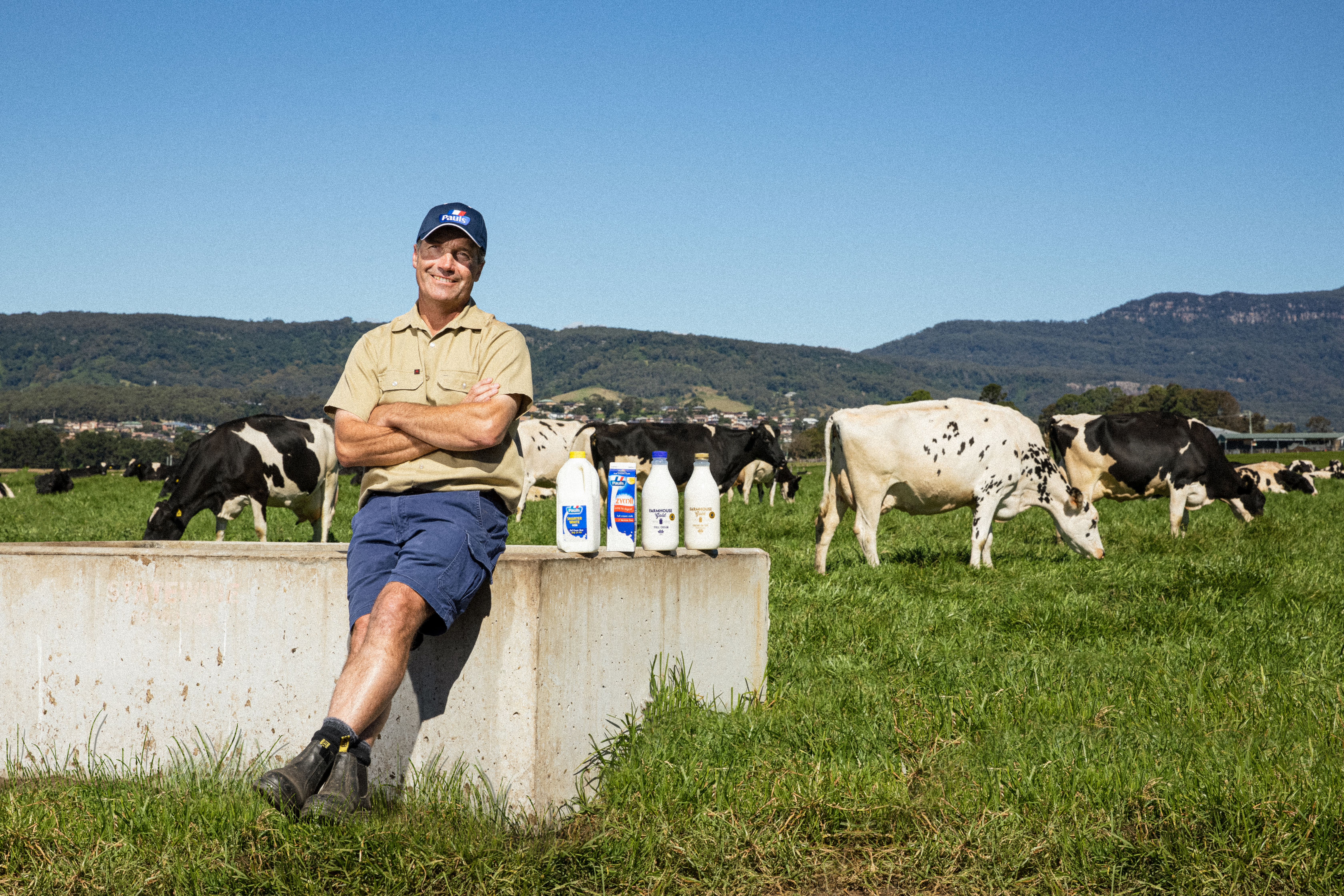
A study by the School of Agriculture, Food and Rural Development at Newcastle University in the UK1 identified that cows which were happier than other cows produced more milk.
The researchers gave the animals more one-to-one attention to make them feel happier and more relaxed as well as named the cows Betsy or Gertrude or Daisy then found the overall milk yield of these cows improved by almost 284 Litres annually.
How wonderful!
It makes sense though. CEO’s of major companies indicate that happier employees are more productive at work2. So why shouldn’t it be the same for our bovine friends as well?
We are just glad that all the Betsies, Gertrudes and Daisies are given the attention they deserve for producing such a wonderful product like milk.
1 CNN:
http://cnnwire.blogs.cnn.com/2009/01/29/happy-cows-produce-more-milk-study-finds/
2 The Happiness Institute:
http://www.thehappinessinstitute.com.au/blog/article.aspx?c=3&a=1015&pcPage=54